Porsche 911 — Generations
10 generations · 185 body styles · 1499 documented option codes · 1965–2024
Overview
The Porsche 911 has been built continuously since 1964, which makes it one of the longest-running model names in the industry. Across that span the basic configuration has not moved: a flat-six engine mounted behind the rear axle, driving the rear wheels, in a two-door body with occasional rear seats. Almost everything else has — cooling, suspension, transmission, body width and the number of variants offered at any one time.
Generations are known by Porsche's internal type numbers rather than by marketing names, which is why they read as bare figures: 964, 993, 996 and so on. The later ones are split into two phases, written 991.1 and 991.2, marking the mid-cycle revision that Porsche calls a facelift; these are treated as separate generations here because the option catalogue changes substantially between them. The sharpest division in the model's history falls between the 993 and the 996, where the engine moved from air cooling to water cooling.
This wiki documents what each of those cars could be ordered with. For every generation it lists the factory option codes offered, which body styles could take them, which model years they appeared in, and what they cost when a period document supports the figure. That last part is the constraint that shapes the whole dataset: prices come from window stickers, brochure price lists and dealer order guides, and an option with no sourced document is shown unpriced rather than estimated. The methodology page sets out the rules in full.
The ten generations
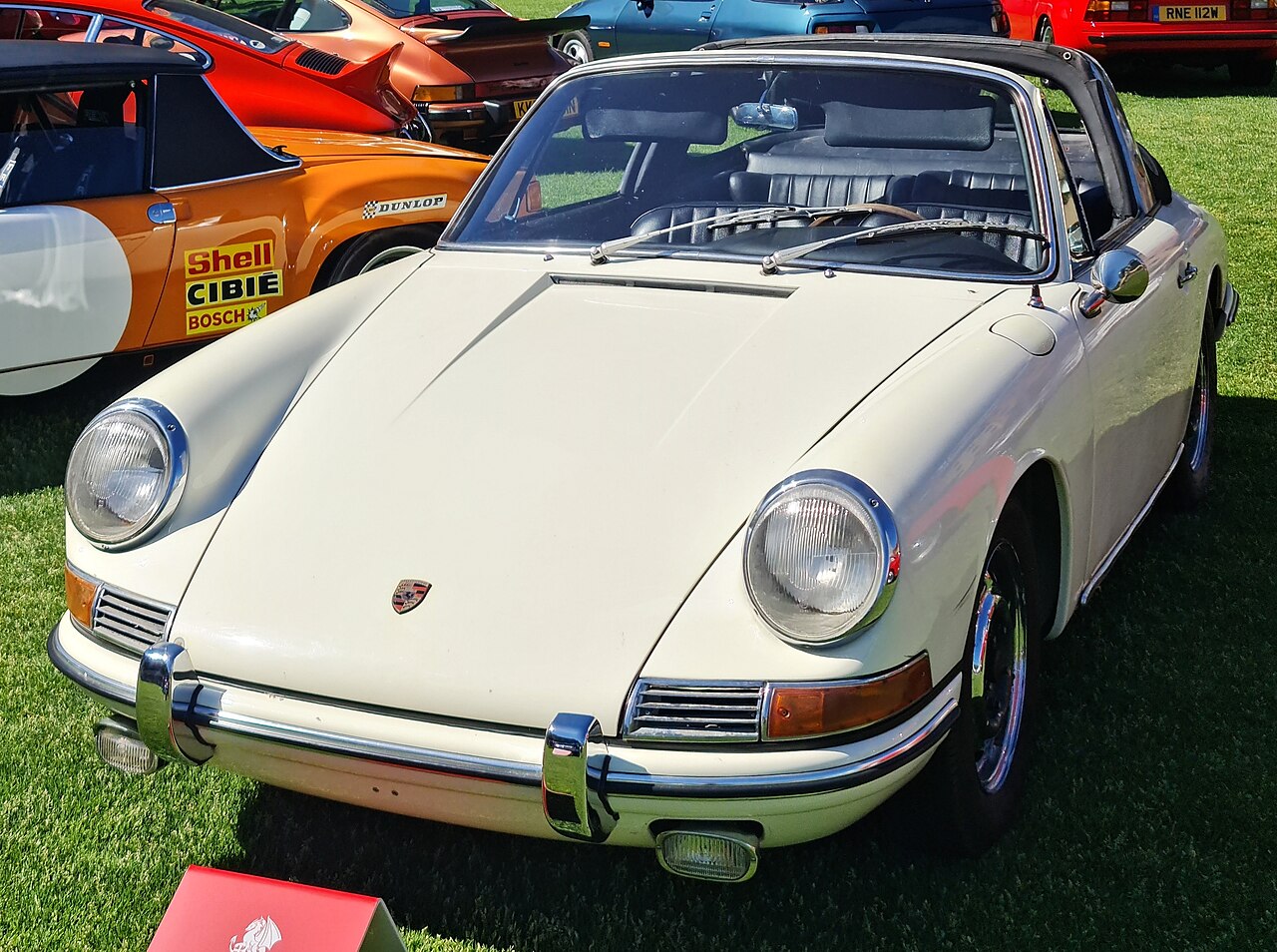
- F-Series1965–1973The original air-cooled cars, from the 911's launch until the impact-bumper redesign of 1974.11 body styles · 64 optionsPhoto: MrWalkr, CC BY-SA 4.0
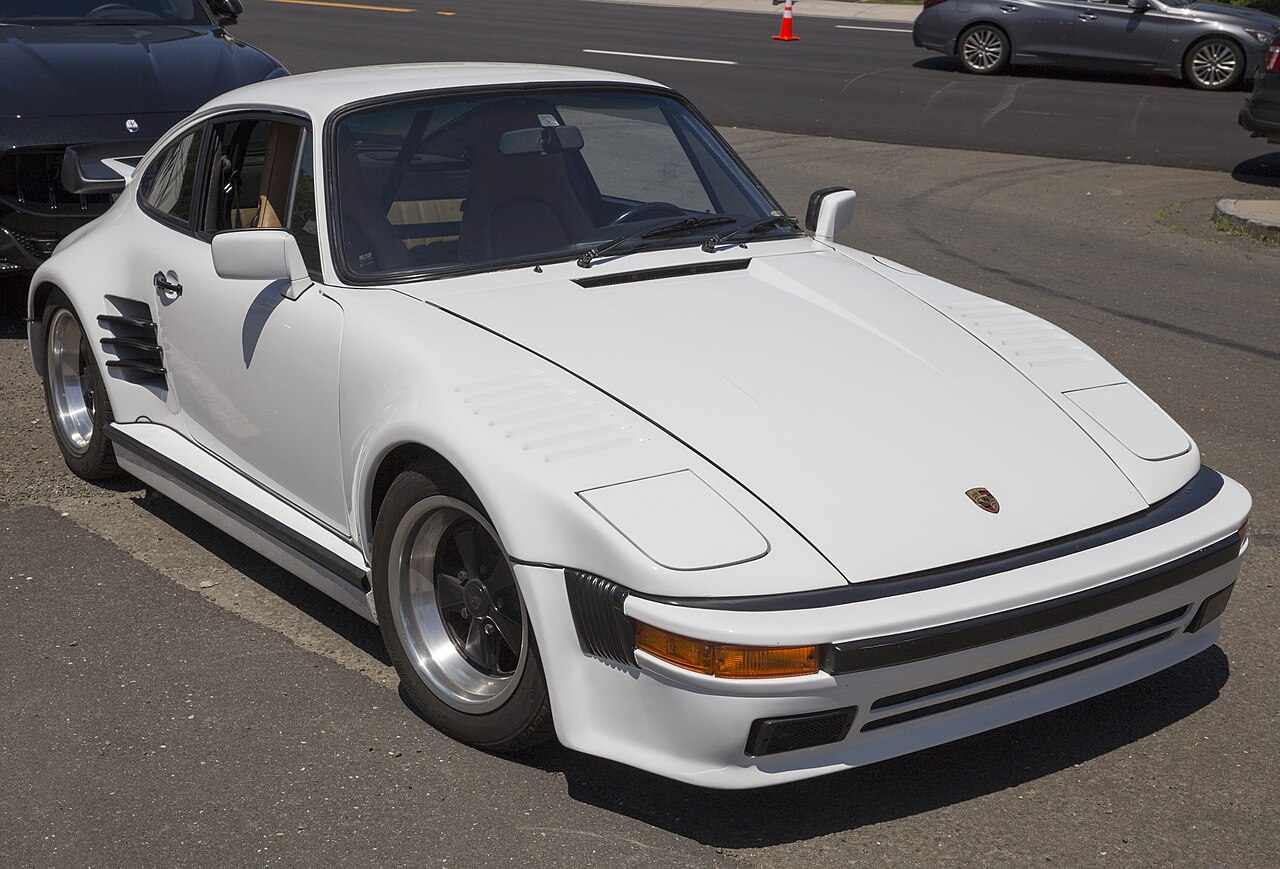
- 930 G-Series1974–1989The impact-bumper cars, and the longest-running 911 body: sixteen model years without a platform change.18 body styles · 127 optionsPhoto: Mr.choppers, CC BY-SA 3.0
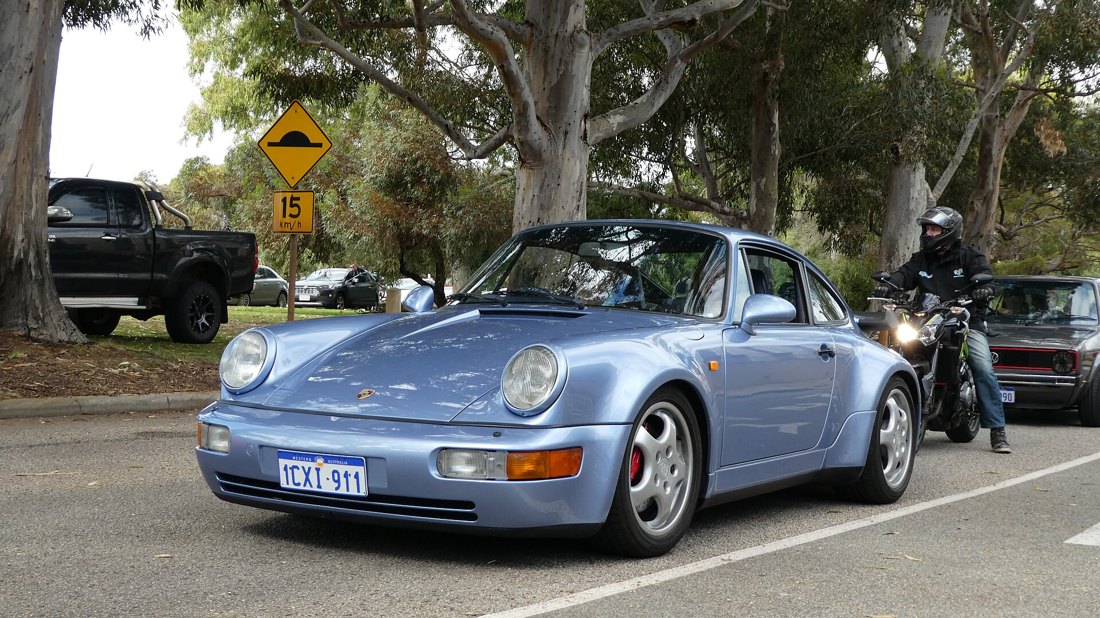
- 9641989–1994The first 911 offered with all-wheel drive, and a near-complete redesign beneath familiar bodywork.13 body styles · 90 optionsPhoto: ZidaneHartono, CC BY-SA 4.0
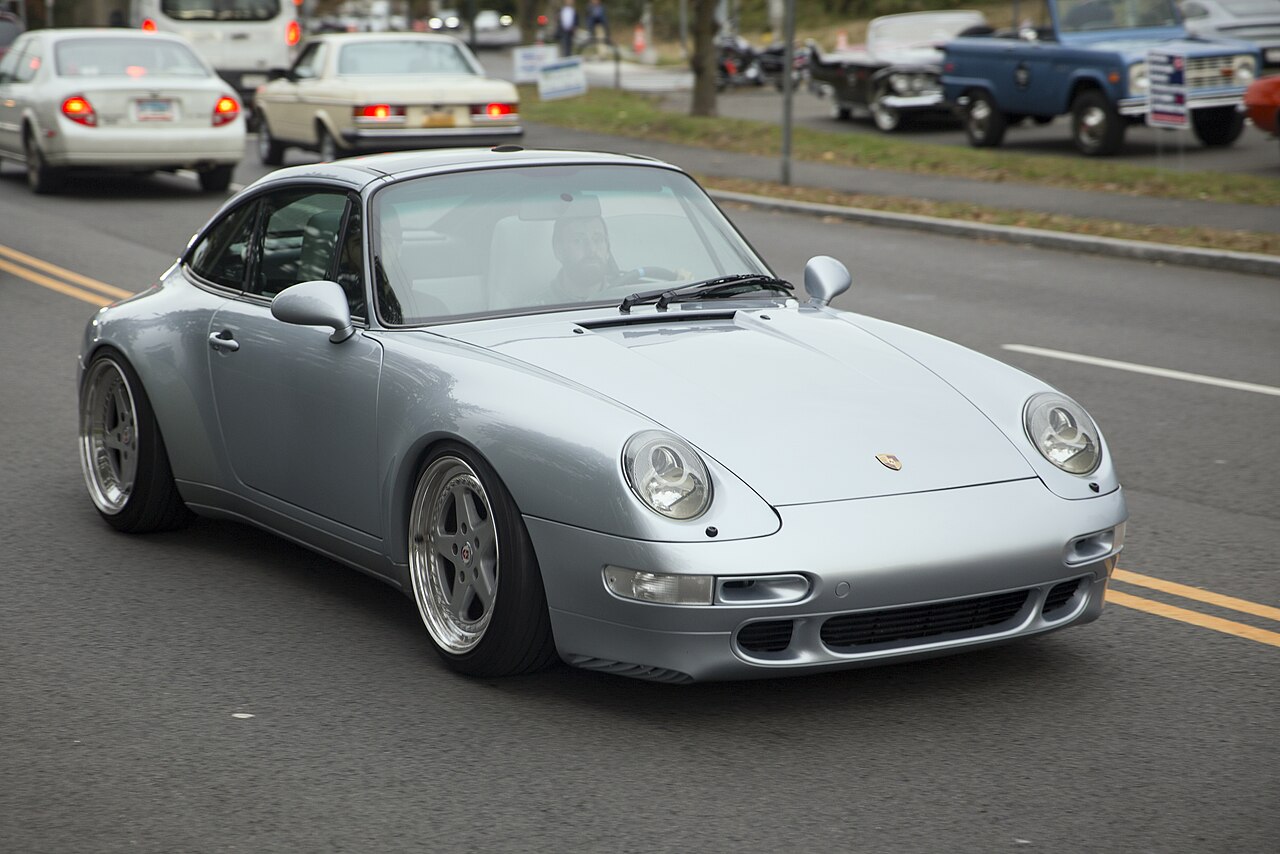
- 9931995–1998The last air-cooled 911, and the first with a multi-link rear axle.11 body styles · 68 optionsPhoto: Mr.choppers, CC BY-SA 3.0
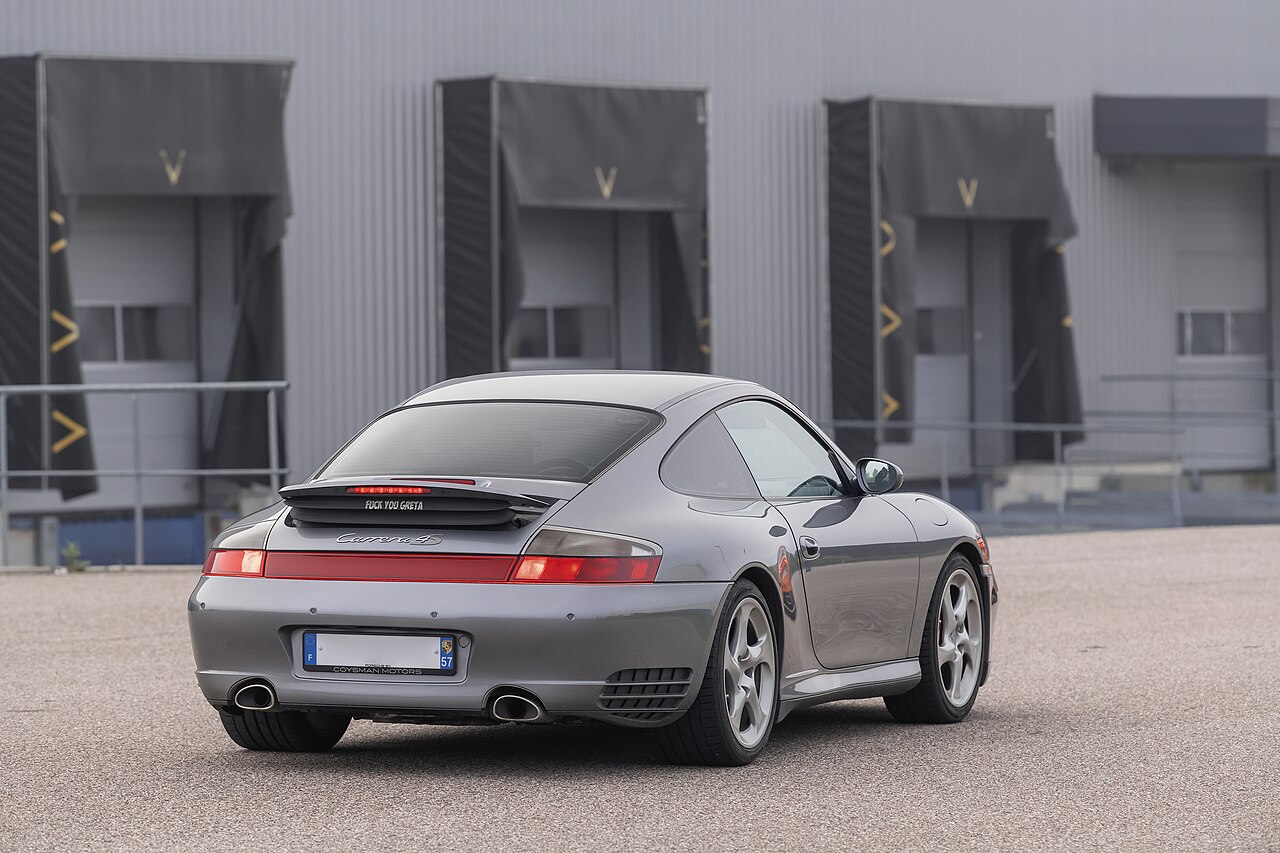
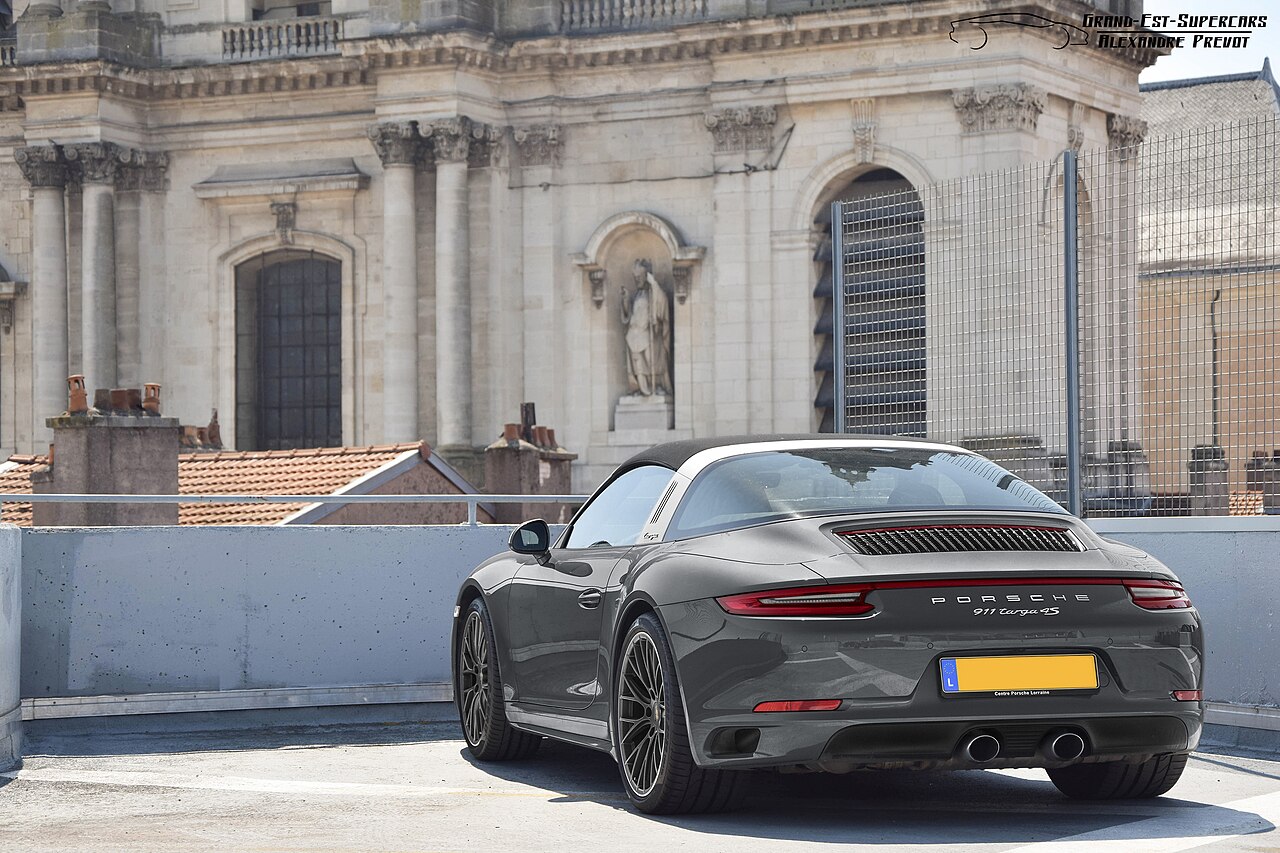
- 9961999–2005The first water-cooled 911, and the first developed alongside another model.16 body styles · 128 optionsPhoto: Alexandre Prevot from Nancy, France, CC BY-SA 4.0
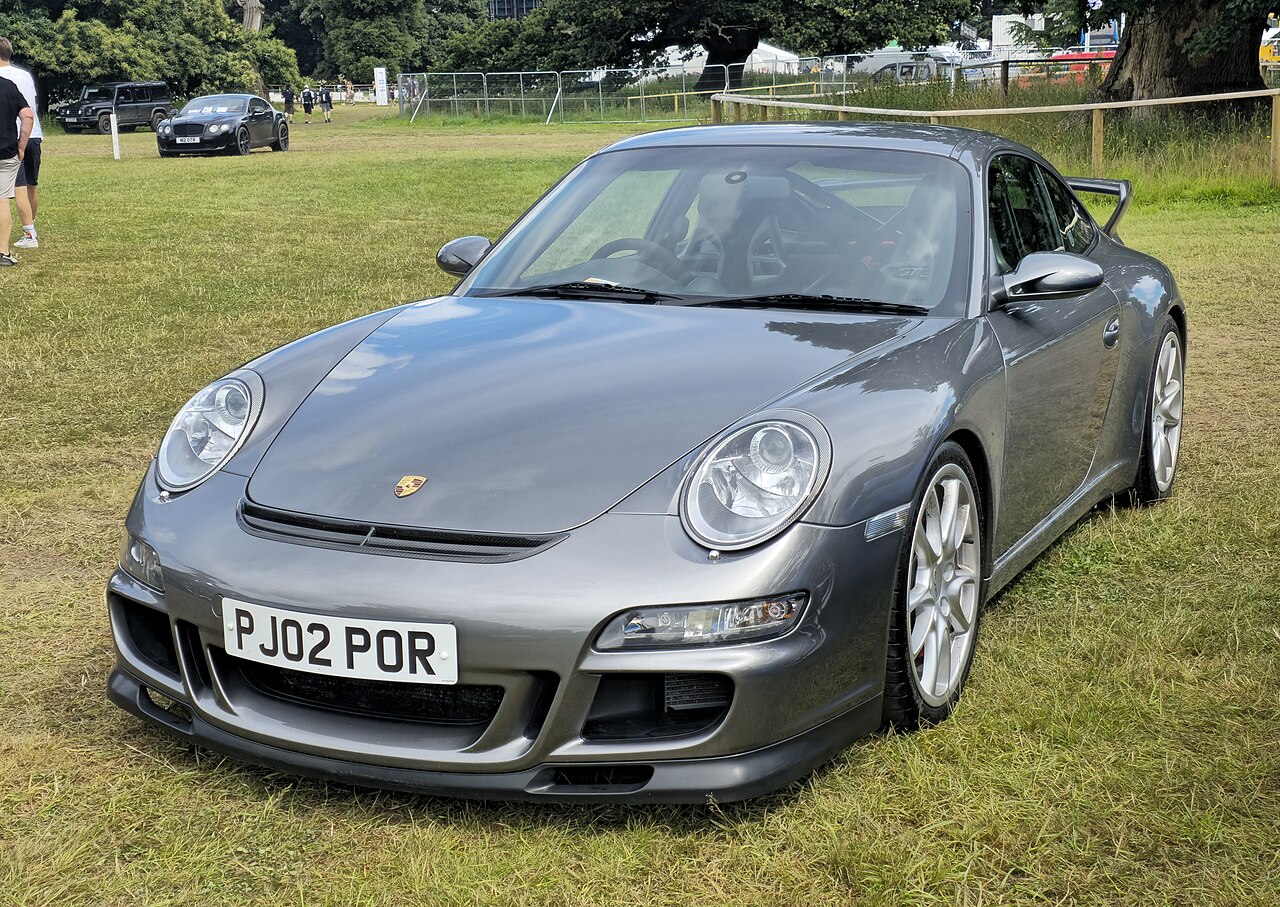
- 997.12005–2008A return to separate round headlamps, and the first Carrera range split by displacement.15 body styles · 166 optionsPhoto: Calreyn88, CC BY-SA 4.0
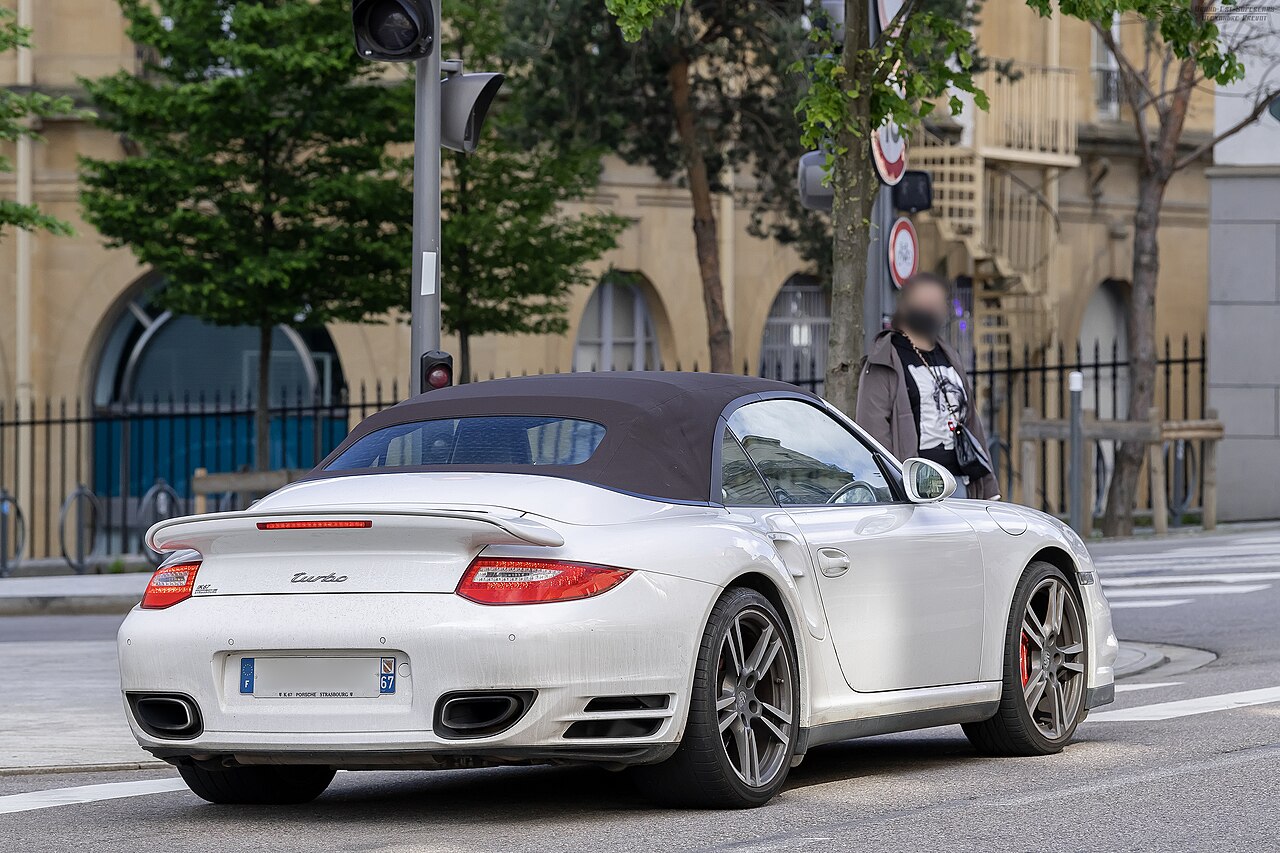
- 997.22009–2012Direct injection and the PDK dual-clutch gearbox, replacing Tiptronic.24 body styles · 150 optionsPhoto: Alexandre Prevot, CC BY-SA 2.0
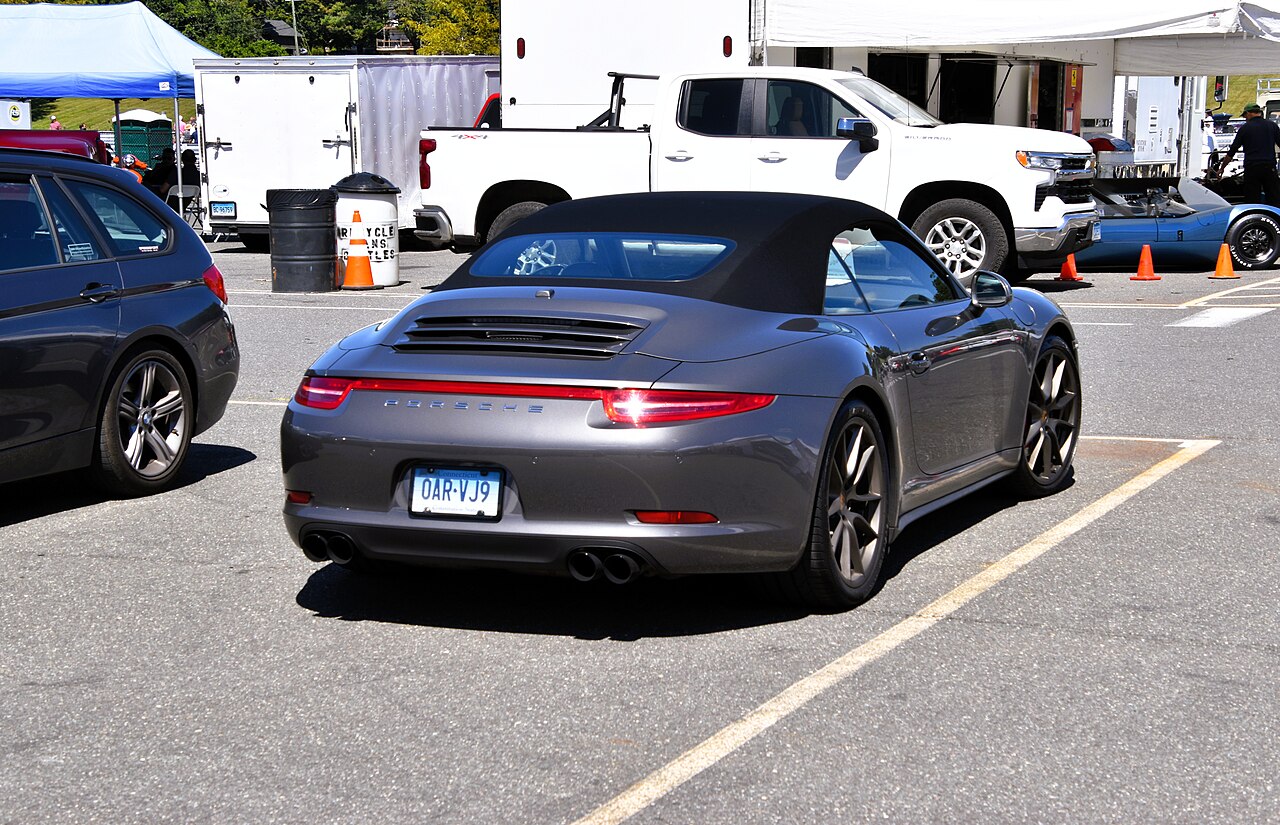
- 991.12012–2016A new platform with a longer wheelbase, and the last naturally aspirated Carrera.23 body styles · 176 optionsPhoto: Charles from Port Chester, New York, CC0
- 991.22017–2019Turbocharging arrives across the Carrera range, while the GT cars stay naturally aspirated.26 body styles · 238 optionsPhoto: Alexandre Prévot from Nancy, France, CC BY-SA 2.0
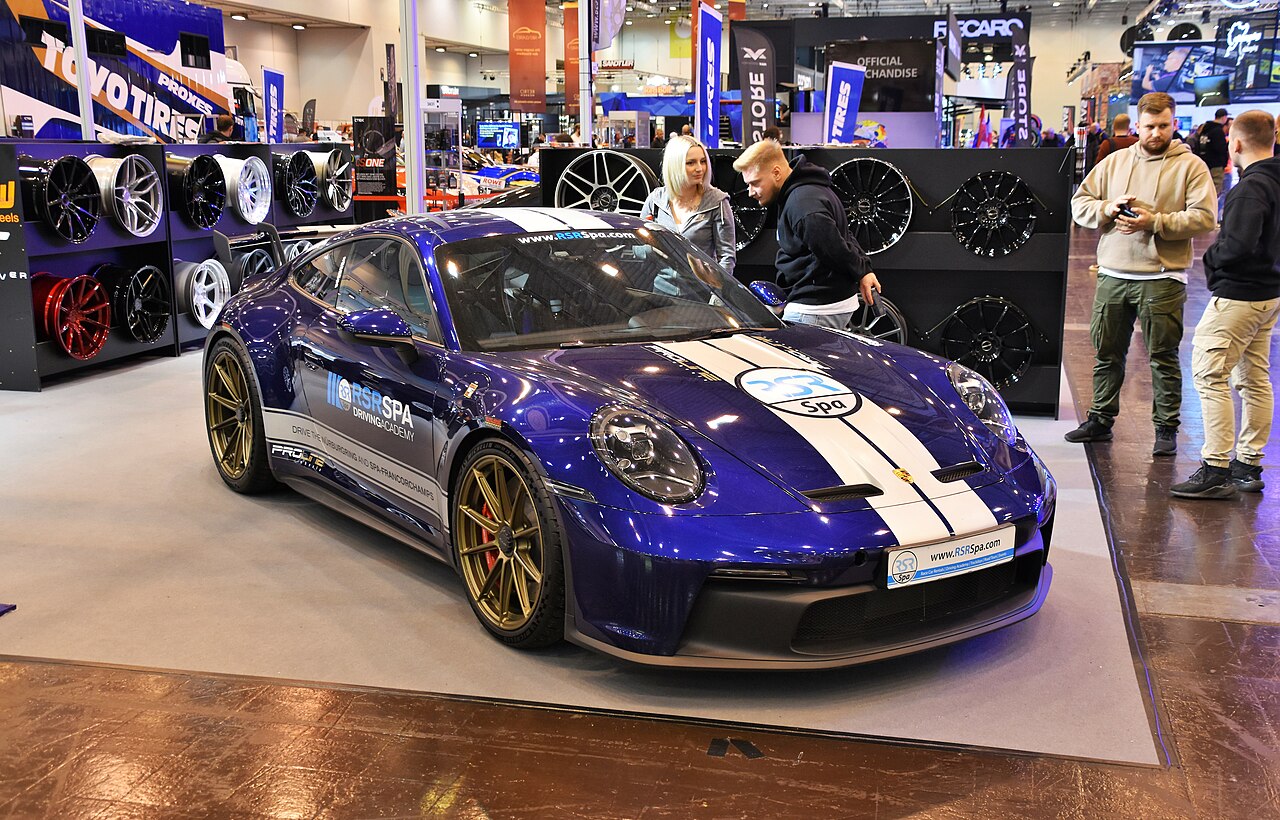
- 992.12020–2024The wide body made standard, and the broadest model range in the 911's history.28 body styles · 292 optionsPhoto: Charles from Port Chester, New York, CC BY 2.0
How to read these pages
Each generation page lists its options grouped by category, with the factory code, the body styles that could order it, and the price. A dash marks an option whose period price has not been sourced yet, which is different from an option that was free — those read “No charge”. Selecting a model year narrows the table to that year's order sheet, so equipment that had not yet appeared, or had already been dropped, shows as “Not offered” rather than silently vanishing. Individual body styles have their own pages, reachable from the sidebar on any generation page.
Coverage is uneven and openly so. The water-cooled cars are documented best because their window stickers survive in quantity; the air-cooled generations have far less option pricing, and the 1965–1989 cars have almost none. Where a generation has no sourced prices at all, its page says so at the top rather than presenting a column of dashes. Corrections and source documents are welcome — every table carries a link to submit one.